Author: Nathaniel Hill

Bringing Paradise Home: Tropical Plants in Florida


Lush Living in the Sunshine State

Florida isn’t just famous for its beaches and blue skies—it’s a true paradise for anyone who loves tropical plants. Thanks to year-round warmth, abundant rainfall, and rich soil, the Sunshine State is the perfect place to grow lush, vibrant greenery that turns every yard into a slice of paradise.

Must-Have Florida Tropicals

Some plants thrive here like nowhere else:

  • Hibiscus: These showy blooms come in every color and are a staple in Florida gardens, offering a steady stream of flowers from spring through fall.
  • Bird of Paradise: With striking orange and blue blossoms, this architectural plant makes a dramatic statement.
  • Palms: From stately Royal Palms to feathery Areca and the iconic Coconut Palm, these trees bring instant tropical vibes to any landscape.
  • Banana Plants: Not just for fruit, bananas offer big, lush leaves and create a jungle feel.
  • Crotons: Known for their rainbow-colored foliage, crotons brighten up shady spots with almost no effort.

Landscaping Ideas for a Tropical Oasis

Creating a tropical yard is all about layers and color. Start with a backdrop of palms or bamboo for privacy, then fill in with flowering shrubs like hibiscus or bougainvillea. Use ferns and caladiums for lush groundcover, and don’t forget a water feature or some colorful pots to complete the look.

Add winding stone paths, a hammock between the palms, and solar lights for evening ambiance—suddenly, your Florida yard feels like a resort.

Caring for Tropicals in Florida

The good news? Many tropical plants thrive in Florida with just a little care:

  • Water: Most love consistent moisture but need good drainage—avoid letting roots sit in soggy soil.
  • Soil: Mix in compost for nutrients, especially for heavy feeders like bananas and hibiscus.
  • Fertilizer: A slow-release tropical blend, applied a few times a year, keeps everything healthy and blooming.
  • Protection: Mulch helps conserve water and shields roots from extreme heat.

Protecting Your Tropical Retreat

Florida’s tropical climate is paradise, but hurricane season can be tough on plants and homes alike. Many plant lovers lose prized specimens to high winds or flying debris. That’s why so many homeowners now choose impact windows in Florida. Not only do they safeguard your home from storms, but they also help protect your interior plants by keeping out the elements while letting in beautiful, filtered sunlight.

Creating an Indoor Jungle

Tropical plants aren’t just for the yard. Bring the jungle inside with monstera, philodendron, peace lilies, and orchids. They love Florida’s humidity and can transform any room into a calming retreat. Just be sure to give them plenty of indirect light and keep an eye on watering during the hot months.

The Final Bloom

Surrounding yourself with tropical plants is one of the best ways to embrace Florida’s unique lifestyle. Whether you’re creating a lush outdoor oasis or an indoor urban jungle, these plants add beauty, improve air quality, and boost your mood.
And with a little planning—including the right windows and storm protection—you can keep your paradise thriving, season after season.
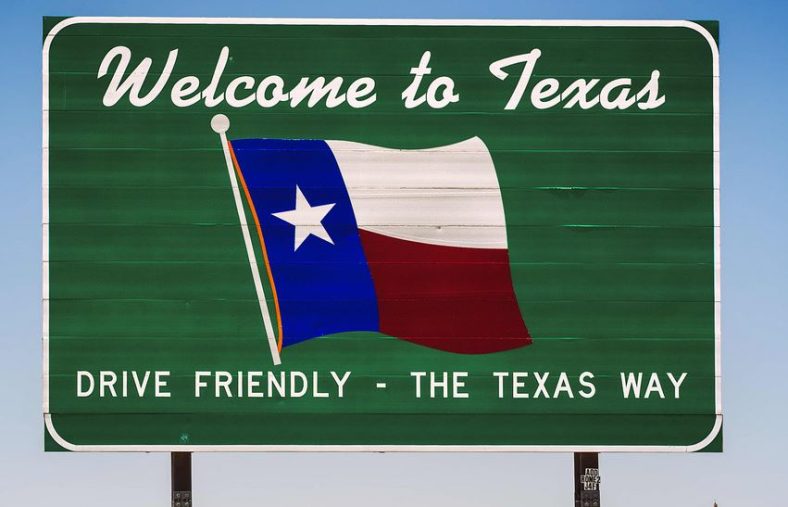
Why You Should Grow Flowers In Texas

Adding native Texas flowers to your yard adds a touch of beauty and sustainability. These plants are drought-tolerant and easy to care for. They also attract butterflies and hummingbirds, making them an attractive addition to your landscape. These flowers bloom in spring and summer and can be grown in a variety of soils.

If you’re looking for a shrub that blooms all year, look no further than the beautyberry. This flower can grow to 6 feet tall and prefers full sun. It also grows well in shade. If you’re looking for a smaller plant, you can trim it back.

A great plant to attract butterflies, this shrub is native to Texas and grows well in a variety of soils. It’s also drought-resistant.

Bluebells, also called prairie gentian, are one of the state’s prettiest flowers. They grow in groups of stems and open up into five rounded petals. The flowers are a nice accent for bouquets.

Coneflower, also known as the star thistle, blooms in June and July. This plant grows well in containers. You can also find varieties with red or pink flowers.

The coneflower has a cone-shaped center that droops after a week or so. This plant grows well in cut flower arrangements.

The bluebonnet is another Texas flower that grows well in well-draining soil. It’s the official state flower of Texas and is also known as the Texas lupin. It is a tall erect biennial that blooms in the spring and summer.

Cactus Facts

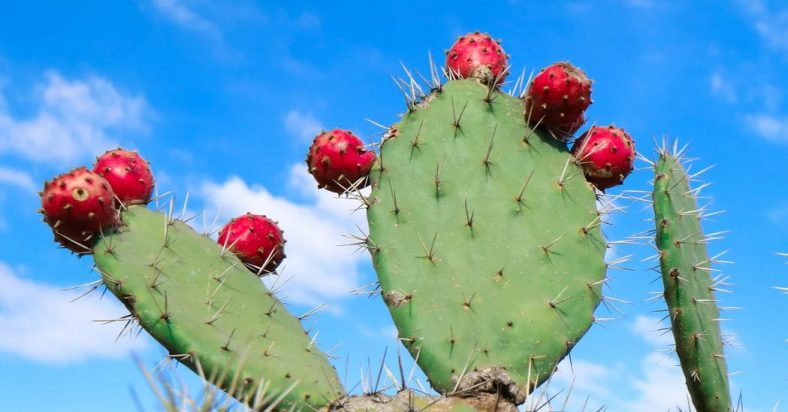
Often called cacti, these succulent plants are commonly found in hot and dry regions of South and North America. They also grow in Africa and Southeast Asia. They are also popular house plants.

Cacti are succulents that store water in their stems and roots. They have spines on their branches to prevent animals from eating them. The spines also help to collect water from the wind.

Cacti have long, shallow roots that penetrate the ground. They are also able to absorb water and nutrients from the ground. The roots extend several feet away from the plant.

Cactus are known to be a source of food for many animals. Birds, antelopes, jackrabbits, and wild pigs are just a few of the creatures that eat the cactus fruits. Some of the cactus fruits are nutritious and contain plenty of seeds.

Cacti also have a waxy coating on the surface. This waxy coating helps to slow evaporation. They also have a protective covering for their nerve cells. The waxy coating protects them from the scorching desert sun.

Some cacti grow to over 60 feet in height. They can also live for years without rainfall. The largest species can weigh over 4800 pounds when full of water.

Cacti are a good source of moisture for many animals. They can also reduce the risk of vascular diseases. Aside from being nutritious, cactus fruit is also beneficial for the heart. Some studies have found that eating cactus fruits can reduce body fat.

How To Build Your Tropical Refuge In Florida

Houses are built in Florida using a variety of materials and techniques. Florida’s climate is unique and houses need to be built to withstand extreme heat. For this reason, there are a number of different materials used in the building process. The most popular material is the use of brick for the home’s exterior walls.

This material can withstand the heat and it is strong enough to bear the weight of the home. Concrete is another popular material. Combined with brick and cinder blocks, concrete is used to create the home’s foundation.

Since Florida is a subtropical climate, the hurricanes and hurricanes are common. Hurricane winds can cause damage to the home. To withstand these winds, the home is built elevated from the ground and made with materials like steel and concrete.

The house is built with a concrete pad foundation. This will help to keep the house from moving and is also easier to maintain.

The house is also built with hurricane straps to secure the roof to the frame and to keep the roof from lifting off.

The house is built with a concrete block foundation. The walls are usually wood or metal.

Metal roofs are also common to withstand hurricane winds.

The house is built with hurricane straps to secure the roof to the frame and to keep the roof from lifting off.

How Much Does It Cost to Build a House In Florida?

Building a house in Florida is a difficult process due to the harsh climate. The cost of a new home in Florida ranges from $130,000 to $225,000. Building a house in Florida is a difficult process due to the harsh climate. The cost of a new home in Florida ranges from $130,000 to $225,000.

The Current Price of Wood and Materials

The cost of lumber and materials has risen since the beginning of the country’s recession in 2008. Building a new home in Florida has become more expensive due to the increase in the cost of lumber and material.

Poured Concrete Homes Florida

The houses of the future are the houses of today. In the state of Florida, many residents are opting for poured concrete homes instead of traditional homes. Poured concrete homes are much stronger than traditional homes and are able to withstand much more damage. They are also more cost-effective to build, which means the homes are cheaper for the consumer.

12 Questions to Ask a Florida Realtor

• What are the reasons you wanted to become a Realtor?

• How do you handle a difficult client?

• What kind of properties do you specialize in?

• What is the area’s average home price?

• What are the most popular neighborhoods in the area?

• What are the school districts in the area?

• What is the community’s approval process for a new home?

• What are the neighbors’ concerns and complaints?

• How do you find good homes for your clients?

• What are the natural disasters that may affect the area?

• What are the crime statistics in the area?

• What are the tax rates for the area?

• What are the home improvement costs for the area?

• What are the home prices for the area?

• What are the types of homes for sale in the area?

• What are the schools in the area?

• What are the popular activities in the area?

Financing for Florida Home Construction

Florida is unique in the way that it is one of the only states that allow for building without a permit. This means that home construction is a much cheaper and quicker process, which is why many people choose to build their own homes in the state.

So: Does It Make Sense to Build a House In Florida?

In the state of Florida, there are a lot of different factors to take into consideration when you are thinking about building a house. The first one is to ask yourself where you’re building the house. If you’re building in a more rural area, chances are that your house will be built on a slab foundation, which can be more affordable. If you’re building in a more densely populated area, you may want to consider a foundation that’s more hurricane resistant.

Another thing you’ll want to consider is the climate. If you live in a tropical area, you’ll want to build a house that can withstand the heat and humidity. This is because most houses in Florida are not built with insulation, so the heat and humidity can cause your house to get very hot and uncomfortable.